
AI and cyber priorities headline massive US defence budget bill
NDAA moves to Senate with cyber and AI provisions aimed at securing networks and strengthening digital defence capabilities.
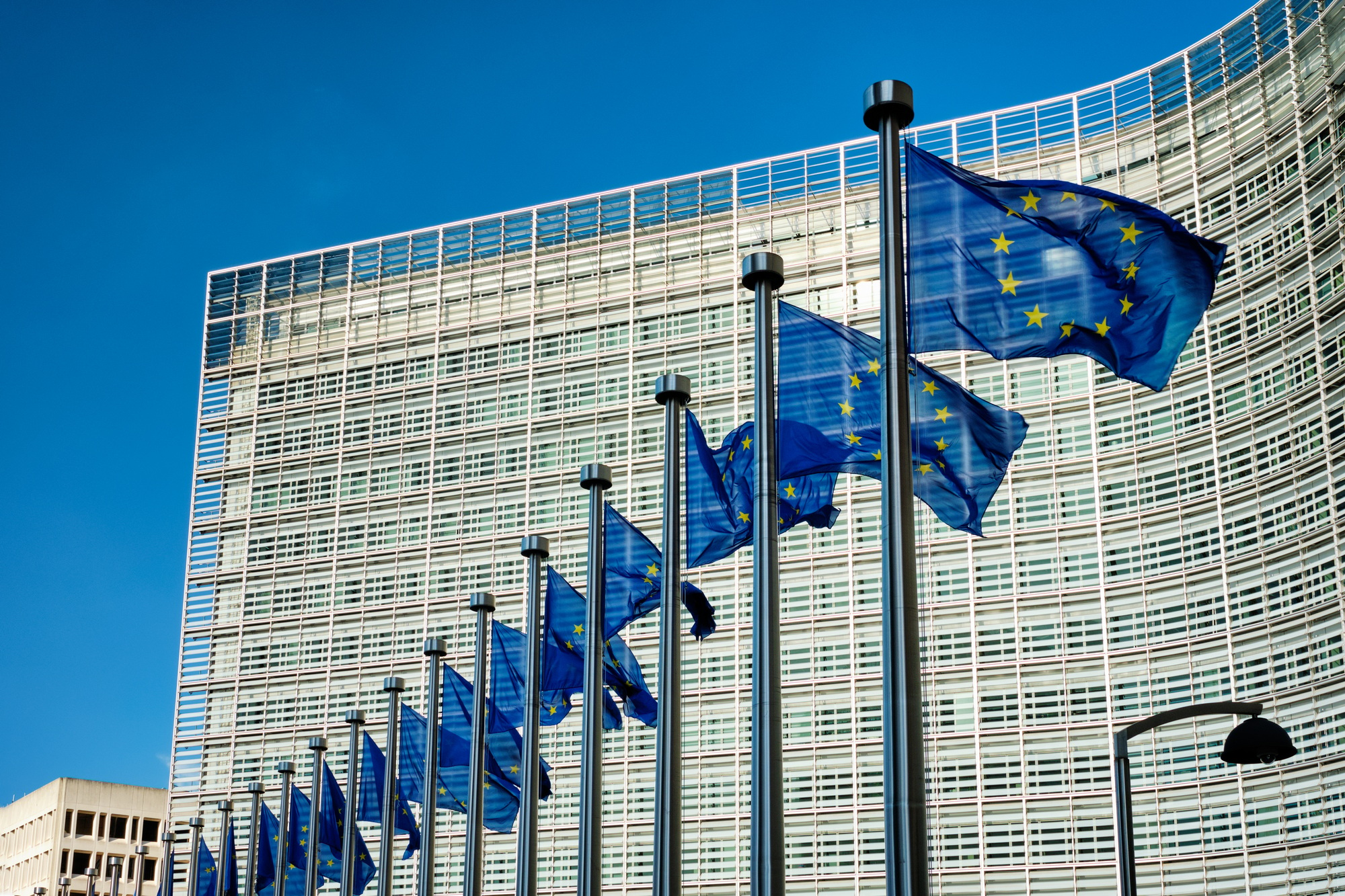
The European Commission’s 2025 Strategic Foresight Report emphasises the growing importance of digital technologies as a foundation for the European Union’s resilience, competitiveness, and security. The document highlights that technologies such as quantum computing, biotechnology, robotics, and advanced materials will shape Europe’s ability to respond to long-term challenges, from the green transition to healthcare and industrial competitiveness.
The Ontario case against OpenAI is Canada's first copyright lawsuit over generative AI training on media content.
eIDAS 2 and the European Digital Identity Wallet aim to secure online interactions, reduce bureaucracy, and empower citizens across the EU with a reliable and user-friendly digital identity.
Australia has unveiled a new Online Safety Code requiring digital platforms, gaming services, and AI chatbots to curb harmful material. The rules mandate risk assessments, age checks, and reporting tools to prevent child grooming, sextortion, and the spread of violent or explicit content. Services deemed high-risk, including certain AI companion chatbots, face strict Tier 1 obligations under the Code
A new cross-border initiative is setting the stage for stronger digital independence by bringing together governments determined to create their own trusted infrastructure.
The UK will amend the Online Safety Act to make self-harm content a priority offence. Tech companies will be legally required to detect and remove harmful material before it reaches users, with Ofcom overseeing enforcement.
CANN’s GNSO is asking for input on its Preliminary Issue Report about DNS abuse mitigation. The consultation could pave the way for new global policies to address security threats and strengthen trust in the internet.
AI company Anthropic has agreed to pay $1.5 billion to settle a class-action lawsuit by authors who said their books were illegally taken from pirate websites and used to train its chatbot, Claude. If approved by a San Francisco judge, the deal would be one of the largest copyright recoveries in history. The settlement will [...]
KICTANet has urged the UN to make participation, financing, and human rights legally binding in the WSIS+20 outcome, warning that earlier digital governance efforts failed to deliver inclusion or accountability for the Global South. The organisation calls for guaranteed funding for participation, predictable financing mechanisms for connectivity and digital literacy, and stronger protections for freedom of expression and data privacy.