
Morocco sets out national AI roadmap to 2030
Morocco is preparing to launch a national artificial intelligence strategy, Maroc IA 2030, aimed at modernising public services, strengthening digital skills and boosting economic competitiveness. The roadmap places AI at the centre of the country’s long-term digital development plans.
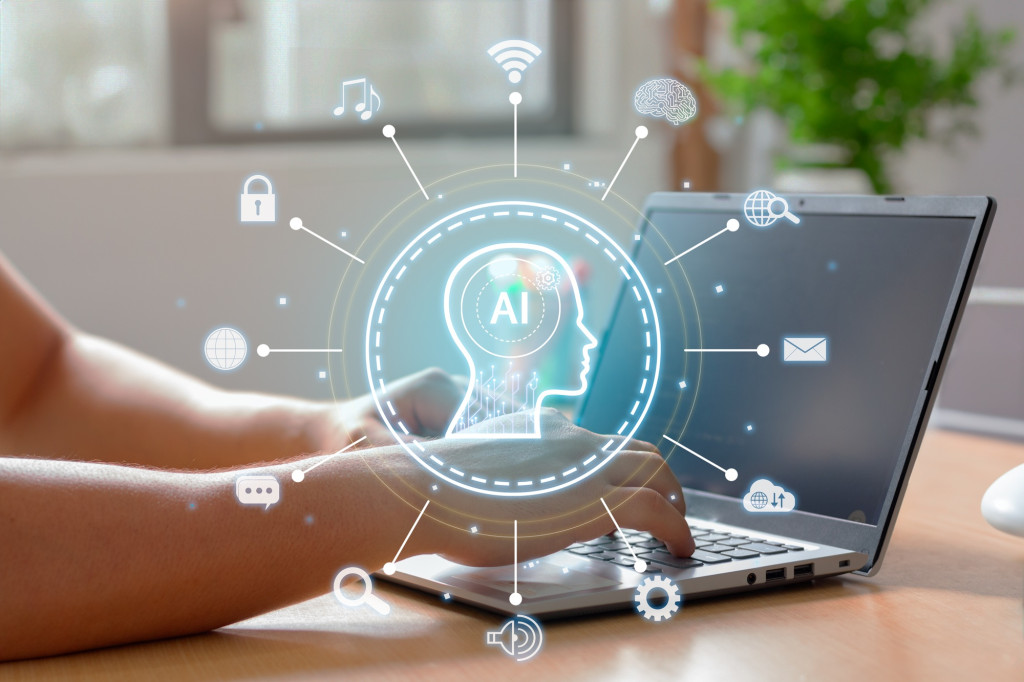
Morocco is set to unveil a national artificial intelligence roadmap, known as Maroc IA 2030, which will guide how the country develops and uses AI technologies over the rest of the decade. The initiative is intended to help modernise public administration, support innovation in the private sector and improve Morocco’s position in the global digital economy.
The roadmap builds on Digital Morocco 2030, a broader national strategy launched in 2024 that identified digital technologies, including AI, as a core driver of economic and social development. Together, the two strategies are designed to provide a coordinated framework rather than isolated or fragmented AI projects.
What the AI roadmap aims to do
At its core, Maroc IA 2030 seeks to make public services more efficient and better connected. This includes improving interoperability between digital systems so that government platforms can share data more effectively and deliver services in a more streamlined way.
The strategy also focuses on economic competitiveness. By supporting local innovation and encouraging responsible AI use, Moroccan authorities aim to strengthen domestic technology capabilities and reduce dependence on external solutions. Skills development is another priority, with the goal of preparing a workforce that can design, deploy and manage AI systems.
Building national AI capacity
A key element of the roadmap is the creation of the Al Jazari Institutes. These will form a national network of AI centres of excellence, linking academic research with innovation needs across different regions of the country. The intention is to ensure that AI development supports local economies and does not remain concentrated in a few urban centres.
To support coordination and oversight, the government also plans to establish a General Directorate for AI and Emerging Technologies. This body would be responsible for steering public policy in this area and ensuring alignment with national development goals.
Economic and regional ambitions
Authorities estimate that the combined impact of Digital Morocco 2030 and the new AI roadmap could generate around 240,000 digital jobs and contribute roughly 10 billion US dollars to Morocco’s gross domestic product by 2030. Improving Morocco’s international AI readiness ranking is also cited as an objective.
Beyond national borders, the roadmap includes plans to develop an Arab-African regional digital hub in partnership with the United Nations Development Programme. This reflects Morocco’s ambition to position itself as a regional player in digital and AI-related initiatives.
Why this matters
As AI becomes increasingly embedded in public services and economic activity worldwide, governments are under pressure to set clear strategies that balance innovation with trust, inclusion and long-term sustainability. Morocco’s AI roadmap signals an effort to take a structured and coordinated approach, focusing on technological autonomy, responsible use and broad-based development rather than rapid but uneven deployment.
If implemented as planned, Maroc IA 2030 could play a significant role in shaping how AI contributes to Morocco’s digital transformation over the coming years.