

European Parliament committee calls for stronger online protections for children
The European Parliament’s Culture and Education Committee has called for better enforcement of EU digital rules, a youth mode for social media and restrictions on addictive platform features.
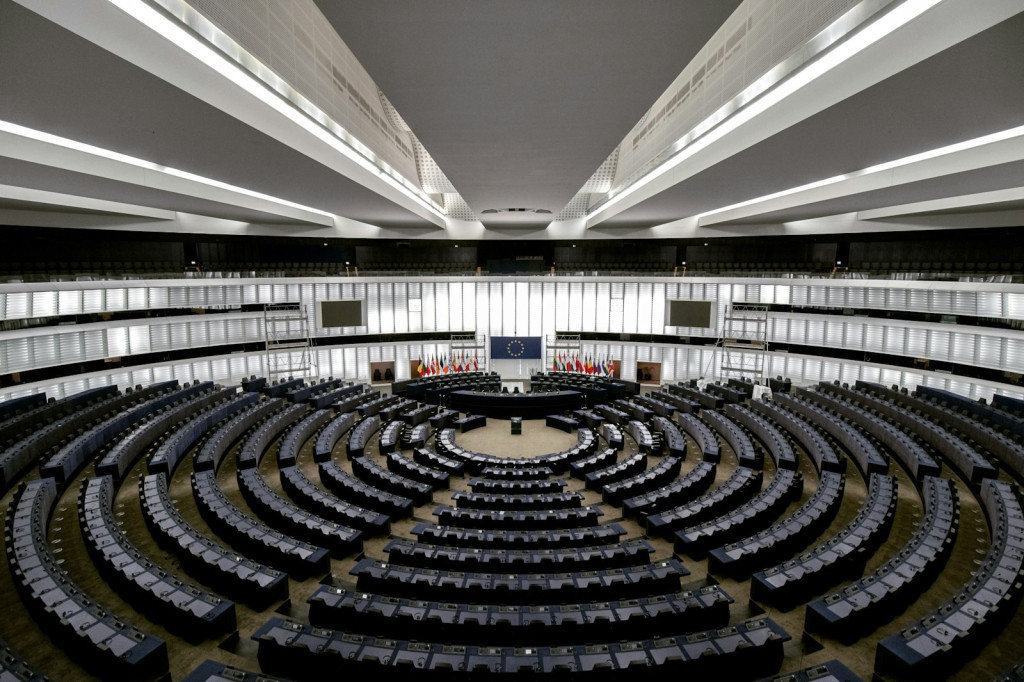
The European Parliament’s Committee on Culture and Education has adopted a report calling for stronger protections for children and young people on social media and other digital services.
The report was approved on Tuesday by 17 votes to three, with four abstentions. It states that online services should follow privacy-by-design, safety-by-default, age-appropriate design and algorithmic transparency principles.
MEPs called for the most harmful addictive design practices to be prohibited. They also supported a “youth mode” that would disable targeted advertising and limit features intended to prolong minors’ use of platforms.
The committee said platforms should provide greater transparency about recommender systems and content moderation. It also proposed personal liability in cases of serious and persistent failure to comply with rules protecting minors.
The report calls for an EU code of conduct for influencers and a harmonised definition of influencer marketing. It also raises concerns about “kidfluencing” and “sharenting”, where children’s lives are used or documented for online content.
MEPs further proposed ethical standards for AI companions that simulate friendships, safeguards against non-consensual sexual imagery and synthetic child sexual abuse material, and measures addressing AI-generated impersonation scams.
The report also calls for closer alignment between the Digital Services Act, the General Data Protection Regulation, the AI Act and other EU legislation. It will be submitted to a vote by the full Parliament during its 14 to 17 September plenary session.