
European Commission reviews how platforms implement DSA dispute rights
The European Commission has discussed practical challenges in the implementation of the Digital Services Act’s out-of-court dispute settlement mechanism with major online platforms and national regulators. A forthcoming study will inform its ongoing work on ensuring that users can challenge content moderation decisions.
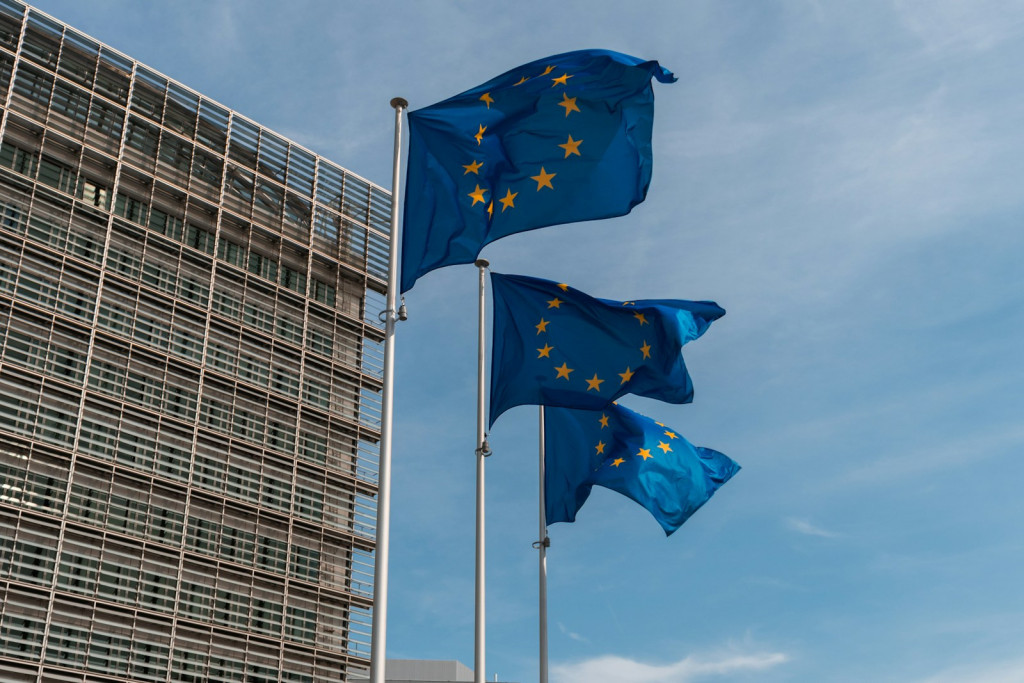
The European Commission has brought together major online platforms and national digital services regulators to examine how the out-of-court dispute settlement mechanism under the Digital Services Act (DSA) is working in practice.
Held on 20 October 2026, the multilateral dialogue focused on Article 21 of the DSA, which allows users in the EU to challenge platforms’ content moderation decisions through certified out-of-court dispute settlement bodies. The mechanism offers an alternative to court proceedings intended to be quicker and more affordable for users.
Participants discussed several practical issues affecting access to and the operation of the mechanism. These included how platforms inform users about their right to seek an independent review, which moderation decisions qualify for review, and how platforms exchange case information with dispute settlement bodies. The discussions also covered fees and the implementation of decisions issued through the process.
Representatives of Very Large Online Platforms (VLOPs) shared their experiences, while Digital Services Coordinators (DSCs) outlined work within the European Board for Digital Services to develop best practices for applying Article 21. National coordinators have an important role in the certification and functioning of out-of-court dispute settlement bodies.
The Commission has also commissioned an external study examining five areas of Article 21 implementation. The study has been completed and is expected to be published soon. Its findings, alongside the dialogue and engagement with certified dispute settlement bodies, will inform the Commission’s continued monitoring of the mechanism.
The discussions form part of the Commission’s broader oversight of the DSA’s user protections, including the right to contest content moderation decisions without having to rely solely on court proceedings.
Further information is available on the Commission’s pages on out-of-court dispute settlement and user rights under the DSA.