

European Commission launches European Partnership for Virtual Worlds
The European Commission has launched the European Partnership for Virtual Worlds, a new multi-stakeholder initiative designed to position the European Union as a global leader in virtual worlds technologies. Signed on 10 December, the partnership brings together industry, academia, research organisations and end-users, backed by €200 million in Horizon Europe funding.
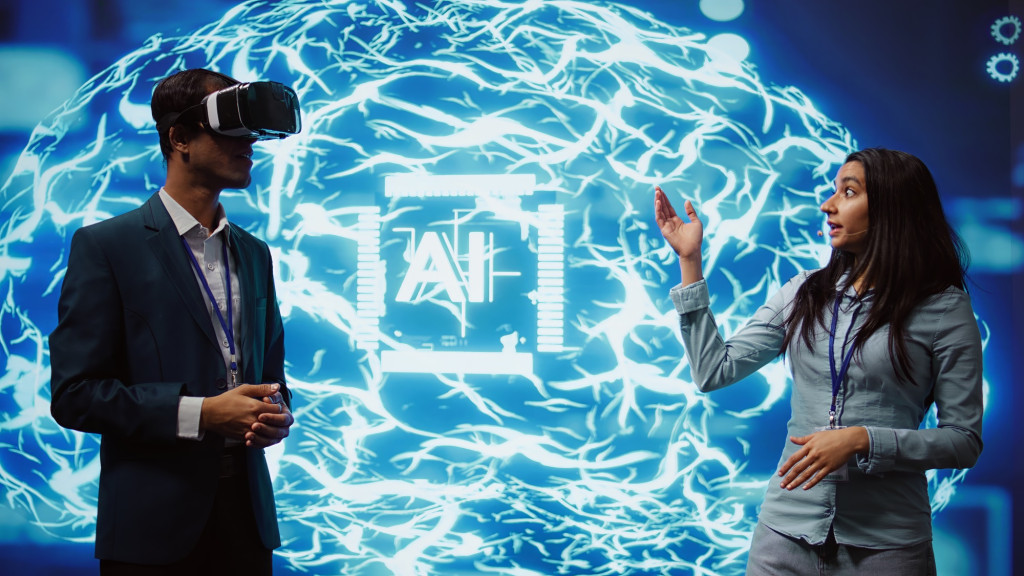
The European Commission has unveiled the European Partnership for Virtual Worlds, a major initiative intended to strengthen Europe’s leadership in next-generation virtual environments. The partnership, formally signed yesterday by the Commission and the Virtual Worlds Association, is a central component of the EU Strategy on Web 4.0 and Virtual Worlds and reflects the growing economic and strategic importance of immersive technologies. The global virtual-worlds market is projected to expand from €27 billion in 2022 to more than €800 billion by 2030.
The new partnership brings together 18 founding members from industry, academia, research organisations and user communities. Its mandate is broad: supporting research and innovation, advancing standardisation, fostering skills development, and encouraging adoption across sectors. The initiative also seeks to ensure that European virtual worlds evolve in line with EU values and fundamental rights.
Executive Vice-President for Technological Sovereignty, Security and Democracy, Henna Virkkunen, emphasised that the partnership marks a shift toward more ambitious European action in this field. She noted that Europe already has the talent, industrial capacity and research base to compete globally and that the partnership will help translate this potential into tangible leadership.
Under Horizon Europe, the partnership will receive €200 million in EU funding between 2025 and 2027. Members of the Virtual Worlds Association are expected to match this with at least an additional €200 million. By assembling all actors across the value chain, the partnership aims to reinforce Europe’s technological autonomy and build a robust, innovative ecosystem for virtual-worlds development.